
The journey toward a perfect smile does not conclude the moment orthodontic appliances are removed. In fact, the transition from active tooth movement to the retention phase is perhaps the most critical period in modern dental science. While braces and clear aligners do the heavy lifting of repositioning teeth within the alveolar bone, it is the retention phase that ensures these results remain permanent. Understanding the physiological mechanisms behind tooth stability helps patients appreciate why the final stage of treatment is just as vital as the first.
The Biological Reality of Tooth Movement
Teeth are not fixed rigidly into the jawbone like nails in wood; instead, they are suspended by the periodontal ligament (PDL), a complex network of connective tissue fibers. When orthodontic pressure is applied, the bone around the tooth root undergoes a process of remodeling. However, once the pressure is removed, the surrounding bone and elastic fibers in the gingival tissues retain a “memory” of their former positions.
Without a physical barrier to hold them in place, teeth have a natural tendency to drift back toward their original misalignment—a phenomenon known as orthodontic relapse. It takes several months, and sometimes years, for the bone to fully densify around the new positions and for the collagen fibers to reorganize.
Fixed vs. Removable Retainers
To combat this biological memory, orthodontists typically employ two types of retainers: fixed and removable. Fixed retainers consist of a thin, custom-fitted wire bonded to the lingual (tongue-side) surface of the front teeth. These are highly effective because they provide 24/7 stabilization without requiring patient compliance.
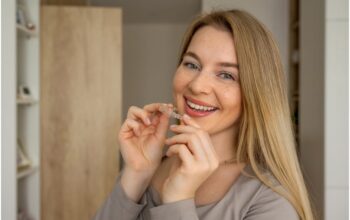
Removable retainers, often made of clear medical-grade plastic or acrylic, are designed to fit over the entire arch. The primary advantage of removable options is the ability to maintain superior oral hygiene. However, their success relies entirely on the patient’s commitment to wearing them as prescribed. During the first few months post-treatment, “full-time wear” is usually mandatory to allow the bone to stabilize.
Maintenance and Hygiene Protocols
The longevity of an orthodontic result is also tied to the physical integrity of the appliances used. Because retainers spend significant time in the oral environment, they are susceptible to plaque accumulation and bacterial biofilm. If a retainer is not kept clean, it can become a reservoir for pathogens that contribute to tooth decay or gingival inflammation.
Patients must learn the proper way to disinfect retainer sets to avoid damaging the material. Using abrasive toothpastes or boiling water can warp the plastic, rendering the device useless for maintaining tooth positions. Gentle cleaning with non-toxic, pH-balanced solutions ensures the appliance remains clear and structurally sound for years to come.
Factors Influencing Long-Term Stability
Several external factors can influence whether teeth remain straight over a lifetime. Late mandibular growth—the subtle shifting of the lower jaw that occurs in early adulthood—can cause crowding in the lower front teeth even if treatment was successful during adolescence. Additionally, habits such as tongue thrusting or bruxism (teeth grinding) apply constant pressure that can overcome the resistance of a retainer if it is not worn consistently.
Modern orthodontics has shifted toward a “retention for life” philosophy. While the frequency of wear may decrease over time, most practitioners now recommend wearing retainers at night indefinitely to safeguard the investment made during the active treatment phase.
Advancements in Retention Technology
The field is constantly evolving to make the retention phase more comfortable and predictable. Digital impressions and 3D printing have replaced the uncomfortable putty molds of the past, allowing for a level of precision that was previously unattainable. These custom-fit devices apply more even pressure across the dental arch, reducing the risk of localized relapse.
Furthermore, material science has led to the development of more durable, “crack-resistant” polymers for clear retainers. These materials resist staining and maintain their shape better under the pressure of nightly wear. When combined with innovations that improve treatment outcomes, these technological leaps ensure that the path to a healthy smile is more efficient and the results more enduring than ever before. By respecting the science of bone remodeling and committing to a rigorous maintenance routine, patients can enjoy the functional and aesthetic benefits of their orthodontic treatment for the rest of their lives.