
Your mouth is not isolated from the rest of your body. Biological dentistry takes that seriously.
This approach connects oral health with overall systemic wellness — using biocompatible materials and minimally invasive methods. It’s gaining traction worldwide, and here’s why patients are paying attention.
What Is Biological Dentistry?
Biological dentistry — also called holistic or biocompatible dentistry — treats the mouth as part of a whole-body system. It avoids materials and procedures that may negatively impact your overall health.
The term was popularized in the late 20th century as patients and practitioners began questioning conventional dental materials like mercury amalgam fillings. Today, it is recognized by institutions like the International Academy of Oral Medicine and Toxicology (IAOMT).
How It Differs from Conventional Dentistry
Conventional dentistry focuses primarily on treating oral symptoms. Biological dentistry asks why those symptoms are occurring — and what role the rest of the body plays.
Here’s what most people miss: a standard filling might fix a tooth, but if the material triggers inflammation elsewhere in the body, the bigger issue goes unaddressed.
The Material Question
Biological dentists avoid mercury-based amalgam fillings. They prefer ceramic, zirconia, or composite materials that are biocompatible and less reactive in the body.
Core Principles of Biological Dentistry
Biological dentistry is built on a few clear values:
- Biocompatible materials — Only non-toxic, body-friendly materials are used.
- Safe mercury removal — Following IAOMT’s SMART (Safe Mercury Amalgam Removal Technique) protocol.
- Minimally invasive care — Preserving as much natural tooth structure as possible.
- Whole-body awareness — Considering how oral health connects to hormones, gut health, sleep, and immunity.
Research published in the Journal of Environmental and Public Health (Mercola & Droege, 2012) highlighted links between dental materials and systemic inflammation. Biological dentistry responds to findings like these with a proactive approach.
Key Benefits for Patients
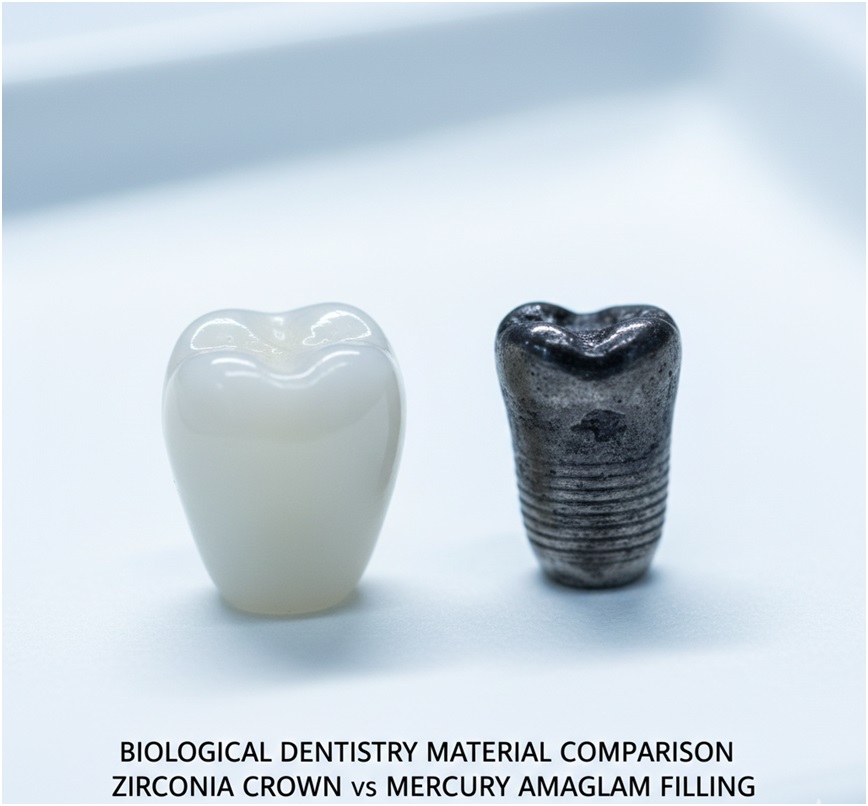
The surprising truth? Many patients report improvements in energy, sleep, and chronic inflammation after switching to biological dental care.
Here are the core benefits worth knowing:
- Reduced toxic exposure — No mercury, BPA, or fluoride overuse.
- Support for immune function — Less foreign material stress on the body.
- Better long-term outcomes — By addressing root causes, not just symptoms.
- Individualized care — Treatment plans consider your full health history.
Studies suggest that chronic low-level mercury exposure from dental fillings may affect neurological and immune function. Dr. Boyd Haley, Professor Emeritus of Chemistry at the University of Kentucky, has extensively researched this connection. View his research profile here.
What to Expect at a Biological Dentist
Your first visit will likely feel different from a standard dental appointment. Expect a full health intake — not just a dental exam.
The dentist may ask about your diet, stress levels, sleep patterns, and existing health conditions. This is intentional.
Diagnostics Used
Biological dentists often use digital X-rays (lower radiation), ozone therapy assessments, and sometimes biocompatibility blood testing to match dental materials to your unique biology. The goal is precision — not a one-size-fits-all treatment plan.
Common Treatments in Biological Dentistry
Want to know what a biological dentist actually does differently? Here’s a clear breakdown:
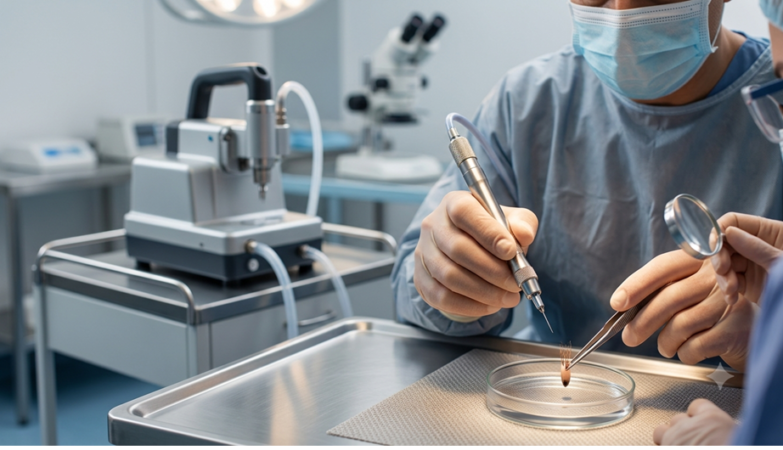
- Safe amalgam removal using SMART protocol with rubber dams and air filtration
- Ozone therapy to treat cavities without drilling — studies show ozone can remineralize early decay
- Ceramic implants instead of titanium, for patients with metal sensitivities
- Cavitation treatment — addressing jawbone lesions often missed in conventional X-rays
- Nutritional guidance to support remineralization and gum health
The reality? Many of these treatments are minimally invasive and well-tolerated. Patients who are anxious about traditional dental procedures often find biological dentistry a gentler alternative.
Is Biological Dentistry Right for You?
Biological dentistry is particularly relevant if you:
- Have existing amalgam fillings and are concerned about long-term exposure
- Struggle with chronic fatigue, autoimmune conditions, or unexplained inflammation
- Are pregnant or planning to be
- Have had reactions to dental materials in the past
- Simply want a more integrative, whole-health approach to your oral care
Here’s the deal — it is not anti-science. Biological dentistry works alongside evidence-based medicine, just with a broader lens on what “evidence” needs to cover.
FAQs About Biological Dentistry
Q: Is biological dentistry safe? Yes. Biological dentists use proven, biocompatible techniques and follow established safety protocols, including IAOMT-certified mercury removal procedures.
Q: Does insurance cover biological dentistry? Coverage varies. Some treatments like fillings may be partially covered. Always check with your provider for specifics.
Q: How do I find a qualified biological dentist? Look for IAOMT-certified practitioners or members of the Holistic Dental Association (HDA). Credentials and transparency matter.
Q: Are ceramic implants as strong as titanium? Modern zirconia implants have shown comparable success rates to titanium in peer-reviewed studies, with the added benefit of being metal-free.
Q: Can biological dentistry help with gum disease? Yes. Ozone therapy and nutritional support are used alongside standard periodontal care for a more comprehensive treatment approach.
Dr. Rohan Mehta — Dental Consultant & Ayurveda Wellness Advocate
Dr. Rohan Mehta is a dental consultant with a background in modern ayurveda wellness and eight years of experience in general and preventive dentistry.
He contributes to DentistLooks — breaking down complex dental topics into clear, honest content for everyday patients.
His focus lies in biocompatible dental care and minimally invasive approaches. He believes patients make better decisions when they actually understand their options.
Outside the clinic, Rohan is reading research, hiking, or making dentistry feel less intimidating — one article at a time.